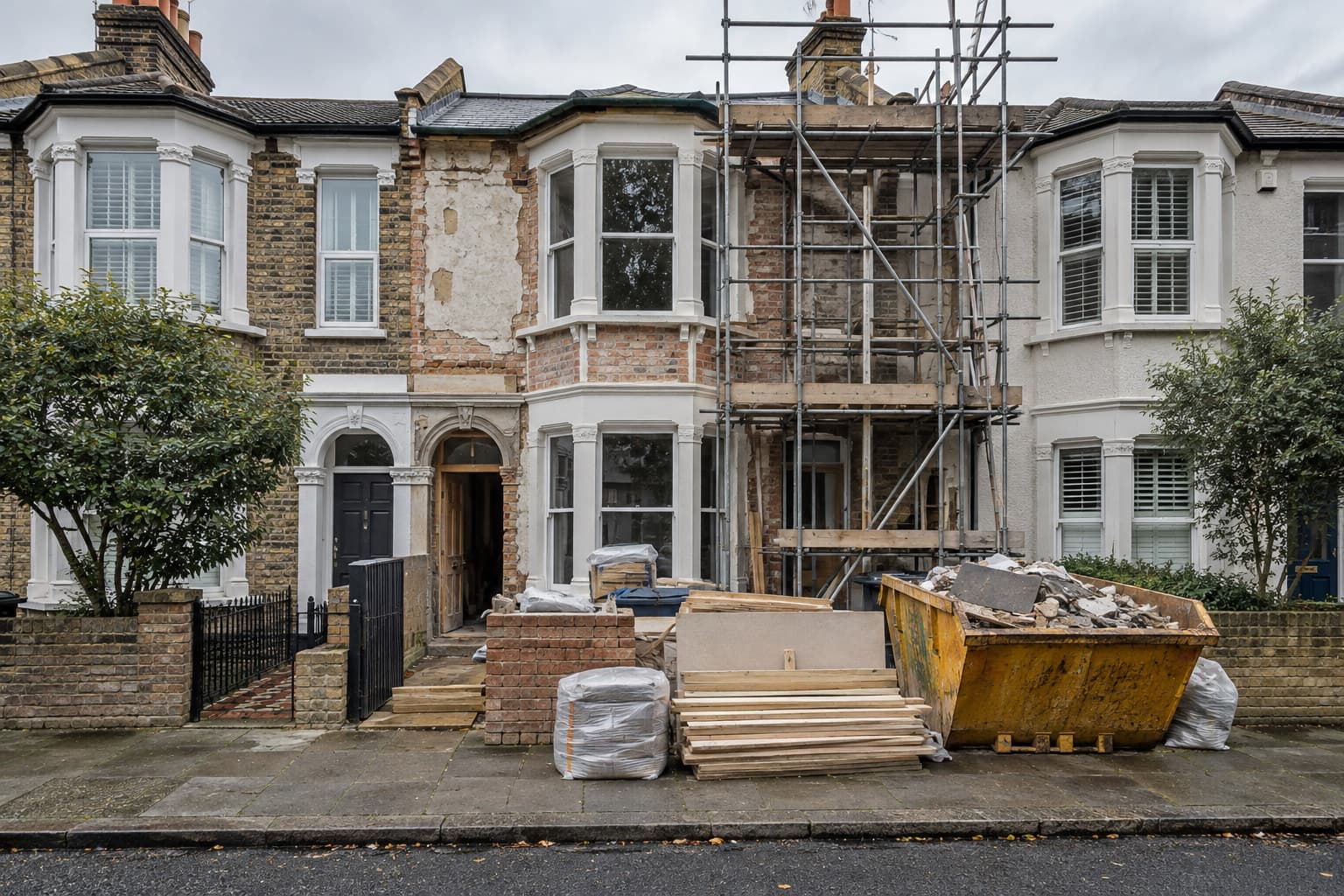
A complaint about a builder gets answered when it is specific, dated, evidenced and put in writing with a clear ask, and gets filed when it is none of those things.
Why some complaints get a response and others go nowhere
A builder who gets a vague message, ’the work isn’t good enough’, has nothing to act on and often nothing to fear. A builder who gets a dated list of specific defects, photographed and described room by room, with a clear request attached, is looking at something that could become evidence. The difference is not tone. It is documentation.
This matters because most disputes with builders never reach a court or an adjudicator. They are settled, or they are not, on the strength of what was written down at the time. A complaint that reads like a record is harder to ignore than one that reads like a grievance.
What the law actually gives you
If you are a consumer who paid a builder to carry out work, the Consumer Rights Act 2015 gives you specific rights, not just a general sense of fairness.
- Section 49: every contract to supply a service includes a term that the trader must perform it with reasonable care and skill.
- Section 55: if the service was not performed properly, you can require the builder to do it again, within a reasonable time and without significant inconvenience to you, and the builder must bear the cost of any labour or materials this needs. This cannot be required if finishing the job properly is genuinely impossible.
- Section 56: if repeat performance is not possible, or the builder has not done it within a reasonable time and without significant inconvenience, you can require a price reduction instead. Any refund due must be paid without undue delay, and in any event within 14 days of the builder agreeing you are entitled to it, by the same means you paid, with no fee charged for making it.
There is also a backstop on time. The Limitation Act 1980, section 5, says an action founded on simple contract cannot be brought after six years from the date the cause of action accrued. That is a long way off for most people reading this, but it is worth knowing the clock exists.
Adjudication: who this is actually for
You may come across adjudication as a fast route to a binding decision in construction disputes. Under section 108 of the Housing Grants, Construction and Regeneration Act 1996, a party to a construction contract has the right to refer a dispute to adjudication at any time, with a tight timetable: the adjudicator is appointed and the dispute referred within 7 days of notice, and a decision is due within 28 days of referral, extendable by up to 14 days with the consent of the referring party. The decision is binding unless and until it is overturned by legal proceedings, arbitration or agreement.
If it ends up in the small claims track
For many homeowner disputes about builder’s work, the amount in question keeps things within the small claims track under Civil Procedure Rules Part 27, which generally applies to claims not exceeding £10,000. A few features of that track matter for how you prepare.
- Rule 27.5: no expert may give evidence, written or oral, at a hearing without the court’s permission.
- Standard directions require each party, at least 14 days before the final hearing, to file and serve on every other party copies of all documents they intend to rely on at the hearing.
- The strict rules of evidence do not apply, and the court does not need to take evidence on oath.
This post cannot tell you what a court would decide, and does not try to. What it can say is that the documents you hand over at that 14-day point are the ones that will have been built, or not built, months earlier when the defects were fresh.
Building the complaint that gets answered
Whether the complaint goes to the builder directly, sits in your records for six years under the Limitation Act, or ends up as the bundle filed 14 days before a small claims hearing, the groundwork is the same: a dated, room-by-room, trade-by-trade record of what is wrong, with a photo for each defect.
- 1Walk the property and photograph every defect as you find it, not from memory later.
- 2Note the room and the trade it belongs to, such as plastering, electrics or joinery.
- 3Describe what is wrong in plain terms, not just ’poor finish’.
- 4Date everything, and keep the originals rather than edited copies.
- 5Send the list to the builder in writing, with a clear and reasonable request attached.
SayScope is built for the walk-and-photograph step. You circle the defect on the photo, hold a button and say what is wrong, and leave with a report grouped by room and by trade, ready to send. Visits are free and unlimited, and each account gets one report a week free with up to 10 items. If you need a bigger report or a second one the same week, a plan lifts those limits.